

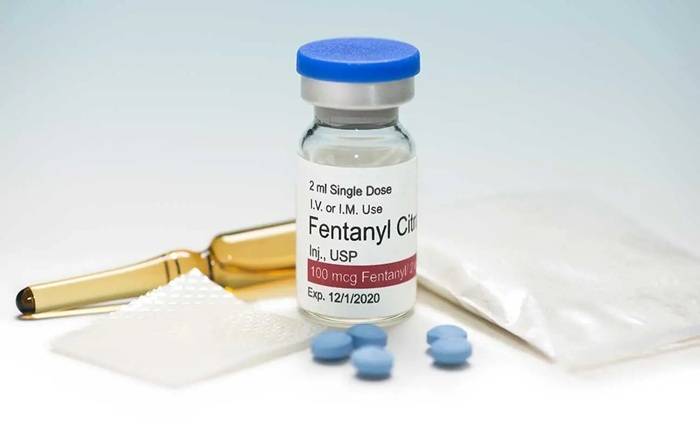
Overcoming fentanyl addiction involves more than sheer determination. It involves an intricate plan, professional assistance, and constant support. The first step is detox, but the journey continues, and healing involves a specific plan of care, therapy, and lifestyle changes. Fentanyl is one of the most powerful and dangerous opioids. It is fully possible to overcome it with the right support and dedication.
The fentanyl addiction treatment focuses on long-term stability and on helping the individual regain control of their health, emotions, and overall life direction. It is vital to build on your core weaknesses, and maintain a relapse plan. This plan will help you work on the goals of recovery and personal stability.
Understanding Fentanyl Addiction and Its Impact
Fentanyl is a synthetic opioid. It is 50 times stronger than heroin and 100 times stronger than morphine. This power makes it dangerous and addictive. Many people use it for the first time unknowingly. Counterfeit pills and contaminated drugs are common sources, setting a dangerous addiction cycle in motion.
Fentanyl addiction harms the body and the brain, particularly the brain’s control over emotions, pain, and motivation. Its long-term effects include compulsive-seeking behavior and a major loss of control, with addiction further damaging personal relationships, financial situations, and mental health.
Even the most complex problems may have a solution, and this is the first step towards recovery. In professional fentanyl addiction treatment, the first priority is to physically stabilize the patient through detox. Resolving the psychological issues related to the addiction is the next step, followed by rebuilding the individual’s confidence and purpose through aftercare.
Medical Detoxification: The First Step
The body must first be allowed to heal and restore itself before deeper therapy can be effective. A medical detox provides the needed conditions to safely and effectively eliminate fentanyl from the body. Since the withdrawal symptoms can be very uncomfortable (nausea, anxiety, excessive sweating, and extreme cravings), this is a highly critical and sensitive stage of recovery.
Healthcare professionals monitor the patient’s vital signs and symptoms and administer medications to provide relief, if needed. Relapse is a big risk during this stage, and they do all they can to keep the patient stable and as calm as possible. The patient starts shifting psychologically from a state of dependence to recovery. This detox stage helps the individual to psychologically reset and awaken in readiness for the challenges ahead.
Although detoxifying the body isn’t the only step needed to maintain sobriety, it is an essential starting point in treating fentanyl addiction. Immediately after the detox process is completed, the body stabilizes giving the patient the ability to focus on therapy.
Therapeutic Strategies for Long-term Recovery
Therapy is the primary method used in treating fentanyl addiction. It targets the emotional triggers that cause an individual to use fentanyl and helps them develop healthy coping strategies so they can shift to a healthy emotional framework. Most therapists in this field use Cognitive Behavioral Therapy (CBT) since it alters the negative thought patterns that lead to substance abuse.
In group therapy, participants build a sense of community and accountability where they share and learn from one another. Individual therapy, in contrast, allows addiction counselors to help the individual process the trauma and emotions tied to their addiction.
Therapy should also help the person learn stress and mindfulness techniques. Most recovering individuals use meditation, journaling, and other physical activities to help them manage emotional instability and control their cravings. This coping ability helps them effectively face problems without the need to use.
Medication-Assisted Treatment Options
Medication-Assisted Treatment (MAT) combines behavioral therapy with pharmaceuticals to enhance recovery outcomes. For those recovering from fentanyl addiction, MAT minimizes withdrawal symptoms, reducing cravings and enabling individuals to remain in therapy.
Typically, the medications prescribed during MAT treatment include buprenorphine, methadone, and naltrexone. Buprenorphine assists in tapering withdrawal symptoms under supervision. Methadone facilitates the same benefits, while naltrexone totally blocks opioids and seeks to prevent a relapse.
MAT, together with therapeutic counseling, assists individuals in regaining their brain chemistry balance. This, along with reducing cravings, involves personal mentally purposeful activities apart from MAT. This also avoids and minimizes the likelihood of overdose, which enhances independence during recovery.
The Role of Support Systems in Recovery
Having a solid support system is one of the greatest recovery assets one can have. Because addiction thrives in isolation, social connections are critical. This is especially true during fentanyl addiction treatment. Support and resource networks, which include friends, family, and peer groups, foster and strengthen a sense of community. This, in turn, encourages collective and integrated recovery accountability.
Support systems prevent individuals from becoming unmoored during times of crisis and doubt. Family therapy helps strained relationships heal in addition to teaching family members how to cultivate a stabilizing atmosphere for sustained recovery.
Peer recovery groups like Narcotics Anonymous (NA) and SMART Recovery encourage sharing triumphs and struggles. Participating in these groups fosters accountability and helps participants realize that others share similar challenges. Support networks have been proven to markedly improve mental health and decrease the likelihood of relapse.
Addressing Co-occurring Disorders
Along with fentanyl addiction, some people also live with depression, anxiety, or trauma. These co-occurring disorders must be addressed to achieve complete healing. The risk of relapse is significantly high when addiction and the underlying mental health issue is not addressed.
Integrated treatment approaches seek to identify and manage these issues together. A combination of psychotherapy, medication management, and holistic practices helps therapists promote alignment and emotional health.
Clients begin to heal when they understand the connection between mental health and addiction. They learn emotional regulation, trigger management, and resiliency, all contributing to the maintenance of recovery. Including both mental health and substance use disorder strategies prepares the client for mental, emotional, and social health and wellness.
Preventing Relapse and Sustaining Recovery
Relapse prevention takes work and dedication, and recovery will always entail a personal commitment for a lifetime. Recovery, especially from fentanyl, includes education, therapy, and active participation in support communities, all of which focus on the prevention of relapsing.
A powerful method of prevention is called trigger mapping. Relapse triggers can be emotional (stress or loneliness) or situational (certain places or people), and they can fuel negative feelings. Clients are taught to use trigger maps, which help eliminate or minimize negative feelings. Those maps include structured routines, realistic goals for the day, and a method for seeking help when things are tough. Counselor and support group networks create regular, motivating, and accountable check-ins.
Relapse prevention incorporates emotional self-care. Positive sleep habits, wholesome eating, regular exercise, and mindfulness improve emotional health and strengthen resiliency. Over time, those self-care habits will help any individual strengthen their recovery and find joy in their sober living.
Long-term recovery practices will help people overcome the worst stages of addiction, and build the confidence needed to stay sober, and excel in their social and work areas of life, and every milestone reached increases the possibility of achieving a healthier future in recovery.
At Opus, we realize that recovery from fentanyl addiction is different for everyone. Opus’ Costa Mesa fentanyl addiction treatment programs are tailored to the individual with expert compassionate care. In recovery, patients go through medical detox, other therapeutic practices, and replacing activities to help regain lost purpose to recovery.